A segmentation to help shape the future for London Museum

Challenge

As the Museum of London prepared to become London Museum, relocate its flagship site to Smithfield, and launch a new brand identity, it needed a deeper understanding of its current and potential audiences to fully realise the opportunity presented by these momentous changes.

Previous segmentation models had been valuable but had several limitations. They were primarily focused on existing visitors rather than future growth ambitions, offered limited guidance for developing content strategy, and did not comprehensively capture the diverse audiences that are critical to the Museum’s mission.

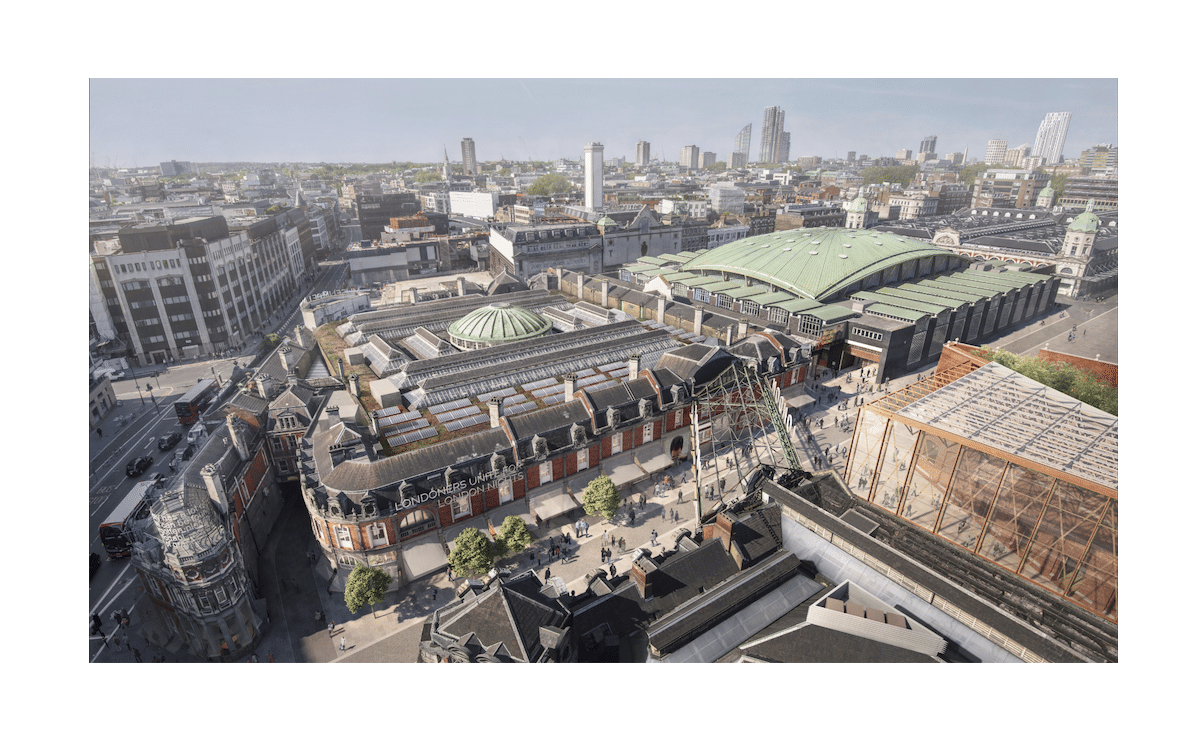
London Museum Aerial Image © Secchi Smith

London Museum Aerial Image © Secchi Smith

Solution

MHM partnered with London Museum to develop a bespoke audience segmentation framework that would provide a more strategic, organisation-wide understanding of audiences and overcome these limitations.

The model was rooted in an extensive programme of research, consultation, and co-creation involving both audiences and staff. This collaborative process informed the development of the segmentation model, helped identify priority audiences, and shaped strategies for engaging them across the Museum’s sites, with a particular focus on unlocking the opportunities presented by the new Smithfield location.

The resulting framework was grounded in the Culture Segments model but tailored to London Museum’s unique context. It identified five audience segments and provided practical guidance on which audiences to prioritise across different aspects of the offer, including family programming, permanent collections, temporary exhibitions, events, food and beverage, and retail.

London Museum Houses © Secchi Smith

London Museum Houses © Secchi Smith

Impact

The segmentation framework is becoming a cornerstone of London Museum’s audience engagement approach, helping teams make more confident, audience-focused decisions across all areas of activity. It established a shared language and focal point for audience development during a period of significant organisational change, creating greater consistency across the organisation.

The framework has already been used to inform the audience engagement strategy for the Secrets of the Thames temporary exhibition. Insights from the Museum’s priority Culture Segments, Expression and Stimulation, shaped the exhibition approach, influencing storytelling, interpretation and communications.

The resulting blend of personal stories, contemporary relevance, and interactive experiences helped make Secrets of the Thames the second most successful exhibition in the Museum’s history. The exhibition attracted large and diverse audiences and demonstrated how a systematic approach to audience insight can deliver both cultural and commercial impact.

Implementation of the segmentation is continuing across the Museum. The framework is now being integrated into the Museum’s CRM through TagTool to enable more targeted email communications, while bespoke landing pages for international priority audiences are being developed with our partner Navigate.

Secrets of the Thames © London Museum

Secrets of the Thames © London Museum

As we prepared to open the new London Museum at Smithfield, alongside the continued success of London Museum Docklands and the launch of a new brand, our audience engagement activity needed real focus and clarity. MHM provided us with a single system for growing, diversifying and engaging audiences that did just that – and it’s already having a clear impact across different departments. The system is based on Culture Segments but was bespoke to us, developed in consultation with teams across the museum, so it feels relevant to our organisation rather than something off the shelf.

Janie Rosier, Head of Marketing and Communications, London Museum

MHM
Privacy Overview

This website uses cookies so that we can provide you with the best user experience possible. Cookie information is stored in your browser and performs functions such as recognising you when you return to our website and helping our team to understand which sections of the website you find most interesting and useful.